

Lateral Epicondylitis - Tennis Elbow
Why Your Elbow Hates You and What to Do About It
Let’s talk about something that might sound fancy but feels downright annoying—Lateral Epicondylitis. You might know it better as tennis elbow, but don’t be fooled—you don’t need to have picked up a racket to suffer from this. In fact, many of you probably earned it doing something far less glamorous, like typing furiously at your desk or trying to carry all the groceries in one trip.
So, what exactly is Lateral Epicondylitis, why does it hurt so much, and—most importantly—how can you fix it? Let’s dive in!
What Is Lateral Epicondylitis?
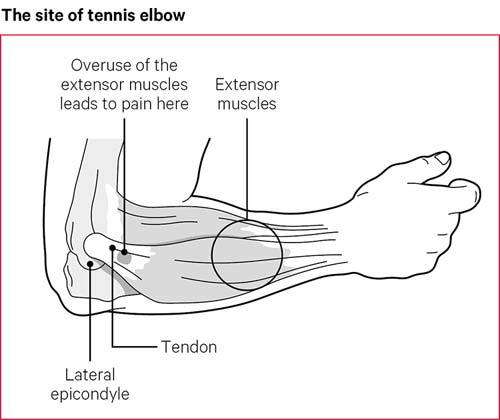
Lateral Epicondylitis is basically an overuse injury. The tendon that connects your forearm muscles to the bony bit on the outside of your elbow gets inflamed or degenerative. This happens because of repetitive movements, usually involving gripping or wrist extension.
Translation? Your elbow’s been working overtime, and it’s gone on strike.
What Does It Feel Like?
- Pain or burning on the outer part of your elbow.
- Weak grip strength.
- Trouble lifting, holding, or twisting anything (think opening jars or shaking hands).
- Sometimes, even lifting your coffee mug feels like a workout.
If any of this sounds familiar, congratulations—you might have Lateral Epicondylitis.
What Causes It?
Despite the nickname, tennis elbow doesn’t require you to play tennis. Some common culprits include:
- Repetitive movements: Typing, using a screwdriver, or knitting (yes, knitting).
- Poor mechanics: Lifting or gripping things awkwardly.
- Overtraining: Hello, gym Beaters—yes, you can overdo it with weights.
Basically, if your wrist and elbow have been doing the same thing over and over without enough recovery, you’re at risk.
How to Fix It
Now for the good news, tennis elbow is manageable. But before you go Googling “quick fixes,” let me stop you—this isn’t a 2-minute solution. It’s about consistency (you know I was going to say that).
1. Rest (But Not Too Much)
Your elbow needs a break, but full-on immobilisation can do more harm than good. Avoid the painful activities, but keep moving in a pain-free range to maintain blood flow and mobility.
2. Strengthen and Stretch
Target the muscles around your elbow to build resilience and reduce strain on the tendon. Some key exercises:
- Eccentric Wrist Extensions: Slowly lower a light weight as you extend your wrist.
- Forearm Supination/Pronation: Rotate your wrist with a small weight (or even a water bottle).
- Finger Extensions: Use a rubber band around your fingers to strengthen your grip.
3. Modify Your Activities
Check your posture, grip size (like on tools or rackets), and technique in repetitive activities. Small changes can reduce the load on your elbow.
4. Manual Therapy
Soft tissue release or mobilisation by a professional (ahem, me) can help reduce tension in the forearm muscles.
5. Use Support
A forearm strap or brace can offload the tendon and give you some relief while you work on strengthening.
6. Cold and Heat
Ice for pain, heat for stiffness. Use both strategically to manage symptoms.
7. Be Patient
This isn’t a one-week fix—it’s a gradual process. Stay consistent, and your elbow will thank you.
When to Seek Help
If your pain is severe, not improving, or keeping you from doing everyday activities, it’s time to call in the pros. I can assess your mechanics, guide your rehab, and get that elbow back on your team.
Wrapping It Up
Lateral Epicondylitis is your body’s way of saying, “Hey, take it easy on me!” Listen to it, make some changes, and give it the care it needs. With the right approach, you’ll be back to lifting, typing, or knitting without a second thought.
And remember, consistency beats quick fixes every time. Your elbow didn’t get cranky overnight, and it won’t calm down that quickly either. But with a little patience and the right plan, you’ll be pain-free before you know it.
Stay strong, stay consistent, and as always, if you need help, I’m just a message away!